
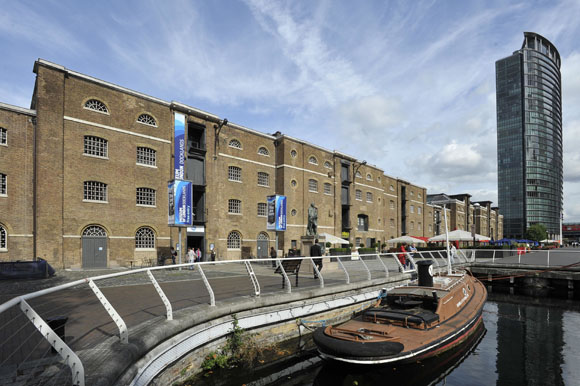
The Museum of London (MoL) has embarked on an extraordinary journey to create a new museum for London (UK). This is a once-in-a-generation opportunity to reconceive what a museum for London can be and deliver the best City Museum in the world. Accordingly, we are designing the new museum as a smart building. To inform the design, implementation and operational use of the smart museum, we created a smart building prototype at one of our other museum properties and an additional office and storage facility — these are the Museum of London Docklands and Mortimer Wheeler House. This case study refers to this prototype.
The Museum of London is a public institution that collects, preserves and displays the history and culture of London from prehistoric times to the present. MoL currently manages and operates three buildings located in the Greater London Area: (1) the Museum of London Docklands, a 200-year-old warehouse close to the river Thames in Canary Wharf; (2) the Mortimer Wheeler House, the largest archaeological archive in the world; and (3) the Museum of London Wall, which closed in December 2022 to prepare for the move to a new smart Museum of London at West Smithfield, opening in 2026. Since 2020, the existing museums have been part of a major digital transformation project that aims to inform the development of the new smart museum at Smithfield, enabling MoL to evaluate energy, carbon, building performance and efficiencies across the entire portfolio, including the connectivity of the buildings with the grid.