csiro synergy 2 custom 1024x576
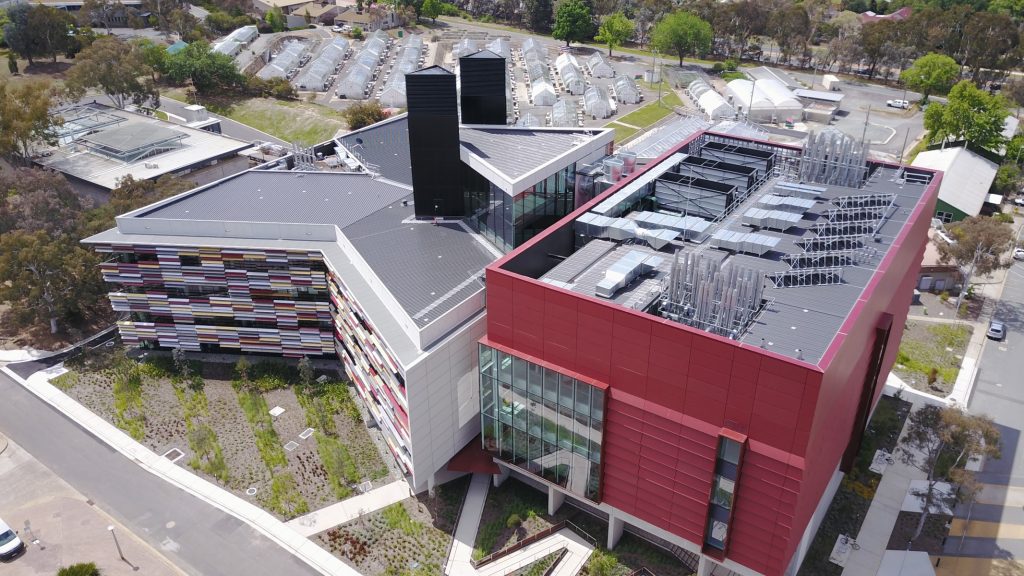
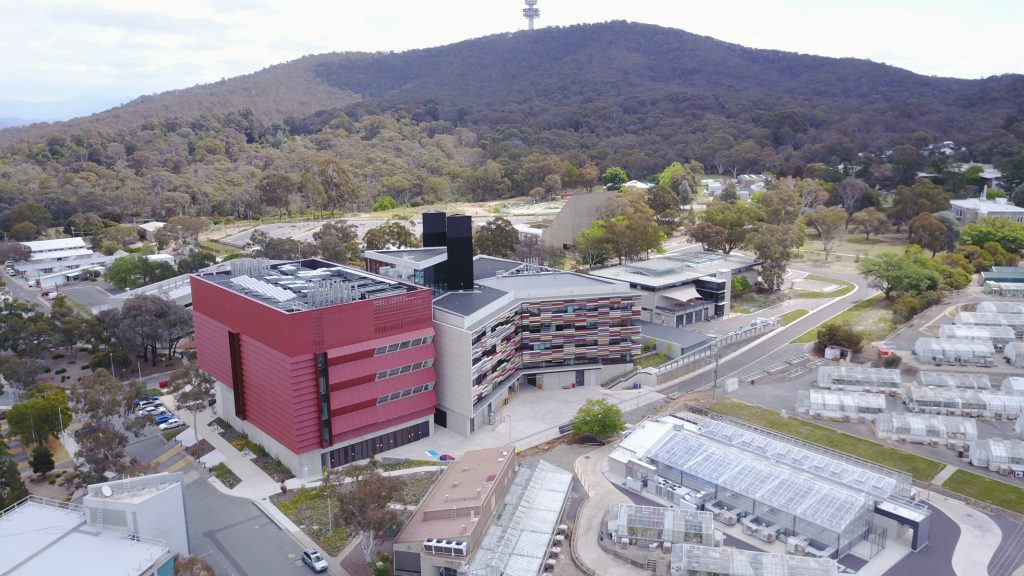
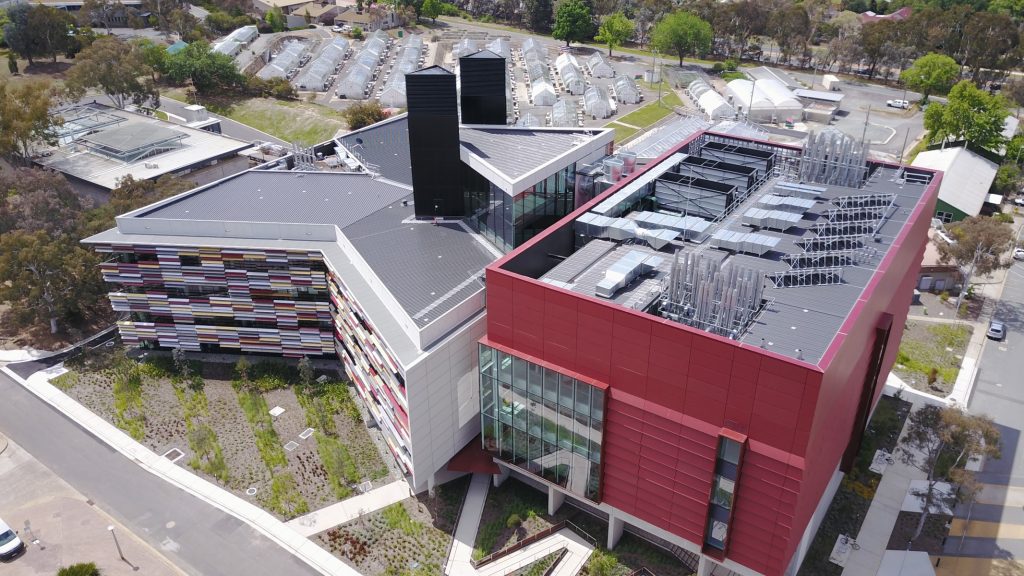
CSIRO Synergy Building

With every chilled plant being unique, human optimisation is time consuming and there is a serious shortage of engineers skilled to do this work. Optimal setpoints for chilled water plants can deliver significant energy savings without equipment upgrades or new controllers, but these optimal setpoints are challenging to determine.

Exergenics’ cloud-based chilled plant optimisation software was interfaced with CSIRO’s Data Clearing House (DCH) to extract and process historical chilled plant data from CSIRO’s Synergy site in Canberra. This resulted in the production of optimal control setpoints for the site’s chilled plant, which were implemented to reduce the building’s energy consumption.

The Synergy site is served by 3 Air-Cooled York Screw Chillers, each with a capacity of 830 kW. The primary chilled water system is served by 3 primary chilled water pumps. The system serves 3 secondary chilled water loops and includes a thermal storage (buffer) tank.
Project Information

Location

Building 801, Cnr of Dickson Way and, N Science Rd, Acton ACT 2601, Australia

Building Typology

Office and Laboratory Building

Technology Installed / Proposed

Cloud-based chilled plant optimisation software.

DATA AVAILABILITY

Historical operational chilled plant data.

Status

Operational - Results Available

Large energy savings can be achieved by optimising the control strategy of chilled plants, taking account of conditions in the building, features of installed equipment and weather. For example, some opportunities for optimisation include chiller staging and selection of chilled water temperature setpoint, as well as load balancing between chillers. Optimisation can reduce energy consumption, reduce peak demand and improve chiller useful life by minimising run time and number of starts.

Exergenics’ optimisation engine combines the next generation of Big Data, AI & Digital Twins to ensure that every plant is operating at peak performance. Operational data is used to train advanced machine learning algorithms that build a working mathematical model of the physical plant. This model can simulate how the plant performs under a wide variety of control sequences and weather conditions.

Exergenics’ optimisation engine then loops through millions of possible scenarios that could be experienced by the plant, learning how best to control it along the way.

This project further developed and integrated Exergenics’ optimisation engine with the Data Clearing House data platform and showcased the use of the optimisation engine within CSIRO’s Synergy site. To that end, the following was achieved:

  • API integration with the Data Clearing House data platform so that Exergenics can rapidly onboard any buildings that exists on the Data Clearing House.
  • Generation of an optimised control strategy and implementation on site.
  • Production of a case study and media collateral relating to the performance of the optimisation engine.
  • Production of a Measurement & Verification report.

Exergenics delivers a software-enabled service, with ongoing automation of processes progressively leading towards a Software as a Service model. Pricing is split between an upfront calibration fee of on average $6,000/chiller, and an ongoing fee of $1,000/chiller/annum.

Currently, revenue is generated through two primary channels. Direct Sales and Channel Partnerships. Through Direct Sales, the Exergenics team is responsible for client acquisition, onboarding and service delivery.

Through Channel Partnerships with established service providers within the smart building ecosystem, the Channel Partner is responsible for client acquisition and onboarding, while the Exergenics team focuses on service delivery.

At a determined level of product automation, Exergenics’ business model will shift towards Licensing, whereby trained service providers could licence the Exergenics solution to use the software on the back-end and deliver improved results to their clients.

Before Exergenics, building cooling system controls were traditionally optimised in one of two ways, supervisory control hardware optimisation, or consulting engineers.

Supervisory control hardware optimisation requires installation of additional hardware on top of an existing building management system (BMS), assuming control of the chilled water plant equipment and running optimisation algorithms in real-time to determine the most efficient control strategy.

Feedback from over 200 meetings throughout 2020 and 2021 with major Australian REITs (Real Estate Investment Trusts) indicated that this model of service delivery can be problematic, because if the equipment is to fault or malfunction, it is unclear who is responsible between the Black Box provider and the BMS contractor, as both have some ‘control’ over the equipment, blurring the delineation of responsibility if something goes wrong.

Conversely, Exergenics does not require any additional hardware or technicians to implement recommendations and provides full transparency into system operations, and efficiency outcomes.

As for consulting engineers, they are hired by a building owner or facility manager to run calculations that identify control set points that yield greater efficiency. This method is limited by human processing capacity and billable time allocated to a project. On the other hand, Exergenics’ AI-driven optimisation engine simulates every possible scenario and control setting, forecasting results ahead of implementation, and is not limited by the billable hours allocated to consultant engineers.

Exergenics’ key points of differentiation are as follows:

  • Solution prioritises transparency to provide full visibility to building operators or service providers into current performance, and generates AI-driven control strategy recommendations with forecasted energy savings.
  • Easy to implement, our cloud-based optimisation engine leverages existing data from a building’s BMS system or data-lake, and produces control-strategy update recommendations in a simple format that could be implemented seamlessly by existing BMS providers without any capital expenditure, additional hardware or new technicians.
  • The cloud-based, AI-driven model enables tailored chiller plant control strategy updates at scale, while still incorporating site knowledge to maximise impact.
  • Being cloud-based, AI-driven & software only, the cost to serve is significantly lower than labour intensive methods currently available, which allows this case study to consistently achieve payback periods of under 12 months for clients.

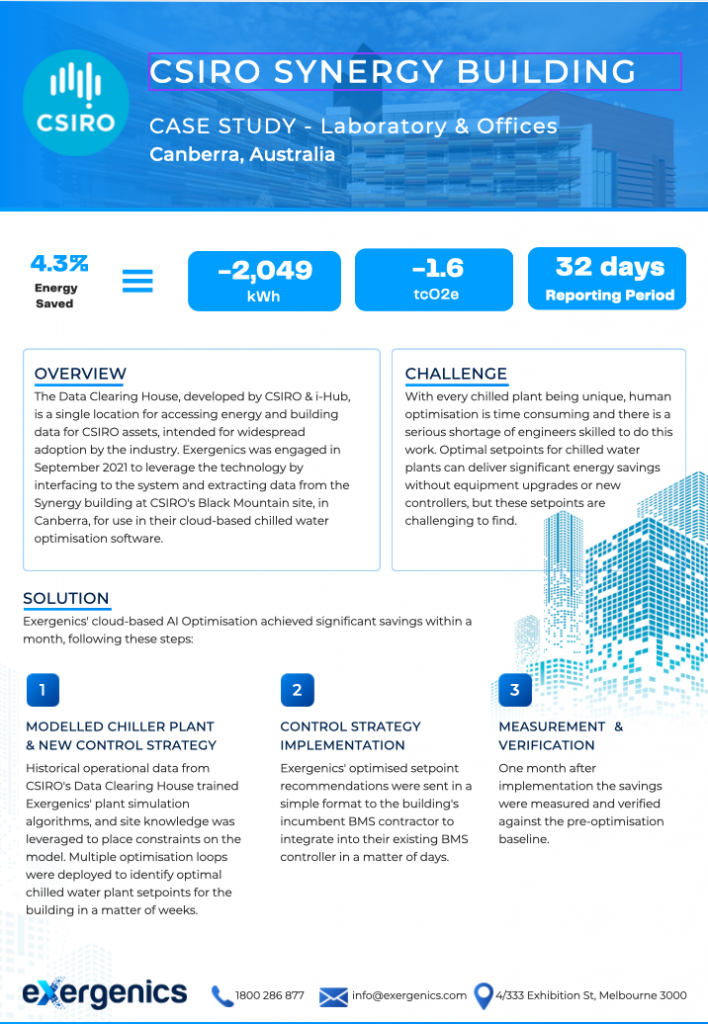
A total of 2,049 kWh of avoided energy consumption has been measured through the analysis described above. This represents 4.3% of the energy consumed during the reporting summer period.

Assuming a generic electricity tariff of 15 c/kWh, this represents an annual cost saving of roughly $3,907. Using ACT’s (Australian Capital Territory) grid emissions intensity of 0.79 kg CO2e/kWh, this energy conservation measure (ECM) also delivered a carbon abatement of roughly 1.6 tonnes CO2e.

Whilst the benefits of the ECM are expected to continue, the energy avoided is not expected to remain as proportionately high during lower cooling demand periods. This is because there is limited ability to improve the chiller schedule when the entire load is satisfied by a single chiller. When considering operation across an entire year, simulated projections by Exergenics have shown a 1.7% annual reduction in energy consumption. Measurement and verification will be revisited at a later date to confirm the long-term benefit of the ECMs.

Simulated peak demand savings are yet to be verified, as a peak demand event did not occur during the measurement and verification period. Significant peak demand savings are expected to be achieved due to the changes to chiller staging.

Interestingly, the algorithms identified that one chiller had been disproportionately serving the load. Run time for the chillers was balanced.

Data management:
The data contained in any data warehouse requires interpretation in order to extract value, including the DCH. The current data collection and storage process does not yet include a focus on cataloguing ‘metadata’ and therefore additional knowledge sources need to be interrogated in order to fully interpret the meaning and context of the data. This is currently achieved through the review of screenshots from the BMS, site documentation, specifications and drawings in order to locate the clues needed to bring meaning to the dataset.

As part of the process of storing operational/telemetry data for a building, the individual equipment metadata (such as location, equipment hierarchy, nameplate information, model number, serial number) should be located, tagged and stored in the data warehouse.

As an interim step, the DCH operators may consider bulk storage of the resources typically used to source the metadata so that users of the DCH can attempt to locate the information autonomously. A feedback loop could be created to allow the user to input the metadata values into the DCH through an input function – creating efficiency for the DCH operators and providing value to future users of the DCH.

The implication for future projects is that the data is easier to work with, more inferences can be made and therefore more value extracted from the data stored in the DCH.


Implications of the Covid-19 pandemic/ Data management:
The community response to Covid-19 has meant that building utilisation has changed significantly – in general occupancy has dropped as individual occupants select working from home arrangements in favour of commuting to a place of work. The data collected from this sub-project only contained data from ‘the covid period’ and therefore did not fully represent the ‘normal’ operation of the building. This made it difficult to make inferences on how the building ‘should’ respond and therefore use the data to optimise the future state of the building.

In order to improve the dataset, the DCH operators could consider:

  • Record and store building occupancy data.
  • Record and store local public holiday.
  • Record and store normal operating hours.
  • Record and store longer data sets to allow data users methods that can exclude factors related to Covid-19.

The implication for future projects is that the data is easier to work with, more inferences can be made and therefore more value extracted from the data stored in the DCH

Exergenics’ cloud-based AI Optimisation achieved significant savings within a month, following these steps:

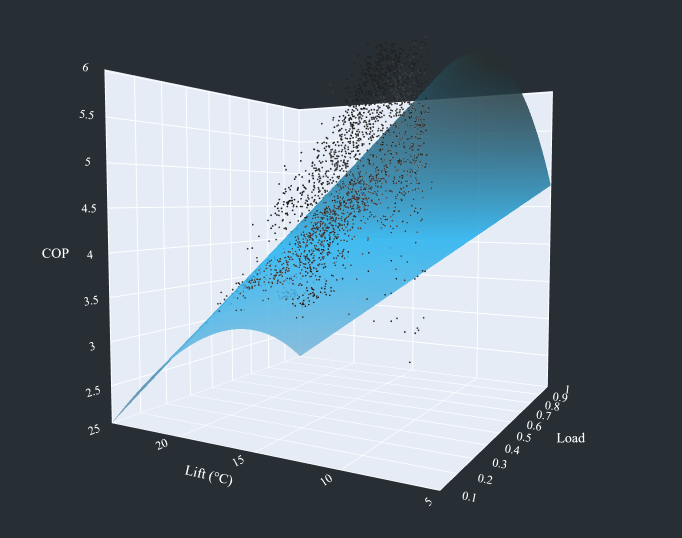
  1. Historical operational data from CSIRO’s Data Clearing House trained Exergenics’ plant simulation algorithms, and site knowledge was leveraged to place constraints on the model. Several machine learning techniques were performed to develop a model of the chilled water plant. Bi-quadratic regression was used to determine chiller efficiency as a function of lift and part loading, with k-fold cross-validation for model verification. Other regression models were used to represent the interactions between equipment as well as the energy performance of this equipment (e.g., chilled water pumps). By optimising the equipment loadings at every cooling load and ambient condition the plant could experience, optimal staging setpoints were determined, and a timeseries simulation was produced, allowing accurate prediction of energy savings. The simulation also allows quantification of equipment mechanical performance (cycle rates, runtime, etc.), however no mechanical benefits were achieved in this case.
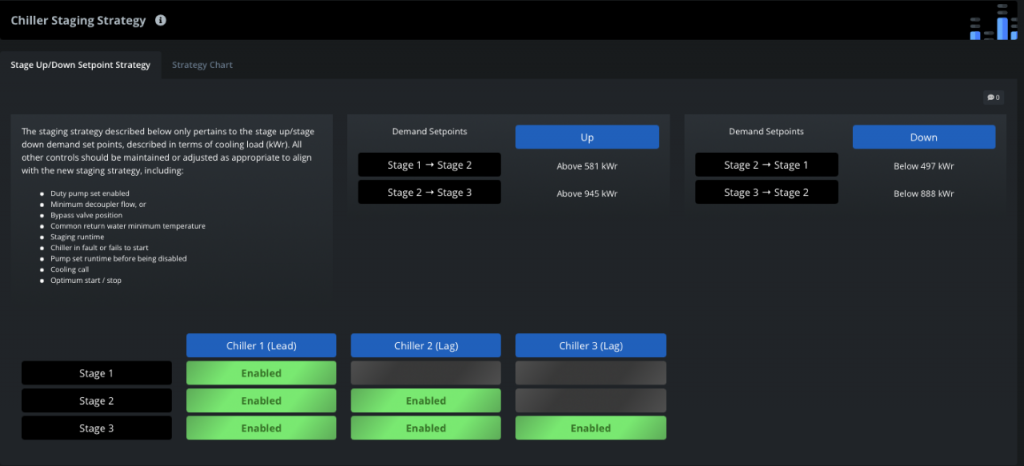
  2. Exergenics’ optimised setpoint recommendations included stage up and stage down demand setpoints were sent in a simple format to the building’s incumbent BMS contractor to integrate into their existing BMS controller in a matter of days.
  3. One month after implementation the savings were measured and verified against the pre-optimisation baseline.

For more information on the Case Study

Contact Person: 

Iain Stewart

cc by nc nd
Copyright Statement
Fraunhofer IEE agree that the case study information of ZUB Building can be shared under CC BY-NC-ND 4.0 license. This license allows others to download your works and share them with others as long as they credit you, but they can’t change them in any way or use them commercially.

Contact Researcher